
What Causes Chronic Dry Eye and When Should You See an Eye Doctor?

Dry, irritated eyes can happen occasionally, but symptoms that keep returning may point to chronic dry eye. This condition develops when your eyes do not produce enough tears or when the tears evaporate too quickly to keep the surface of the eye properly lubricated. For patients in Sugar Land, understanding what is causing dry eye symptoms is an important first step toward finding lasting relief.
What Causes Chronic Dry Eye?
Healthy tears contain a balance of water, oil, and other components that protect and lubricate the eyes. When this balance is disrupted, dry eye can develop.
One common cause is meibomian gland dysfunction. These small glands along the eyelids produce the oily layer of the tear film that slows tear evaporation. When the glands become blocked or inflamed, tears may evaporate too quickly.
Other factors can also contribute to chronic dry eye, including aging, certain medications, prolonged contact lens wear, environmental conditions, and health conditions that affect tear production. Extended computer or phone use can make symptoms worse because people tend to blink less frequently while looking at screens.
Common Signs of Dry Eye
Dry eye does not always feel like simple dryness. Symptoms can vary depending on the cause and severity. Common signs include:
• Burning, stinging, or scratchy eyes
• A gritty or sandy sensation
• Redness or irritation
• Watery eyes
• Blurry or fluctuating vision
• Eye fatigue
• Sensitivity to light
• Difficulty wearing contact lenses comfortably
Excessive watering can seem surprising, but irritated eyes may produce reflex tears that do not provide the same lasting lubrication as a healthy tear film.
When Should You See an Eye Doctor for Dry Eye?
Occasional dryness caused by wind, screen time, or temporary environmental changes may improve with simple adjustments. However, recurring or persistent symptoms deserve professional attention.
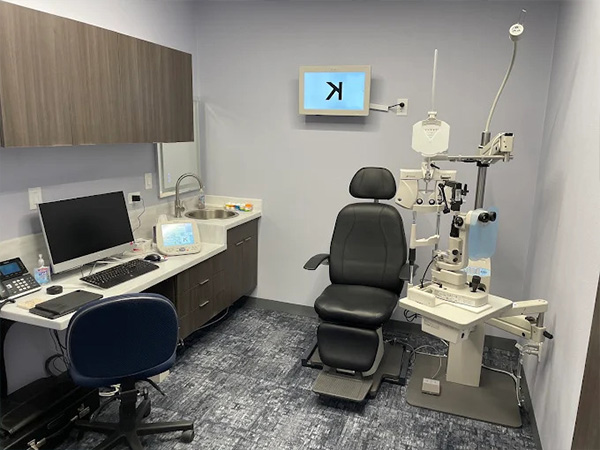
Consider scheduling a dry eye evaluation if symptoms last for several weeks, frequently interfere with reading or computer work, affect your contact lens comfort, or continue despite using over-the-counter artificial tears. You should also have your eyes evaluated if dryness is accompanied by persistent redness, discomfort, or changes in vision. Our eye doctor can examine the tear film, eyelids, and ocular surface to determine why your eyes are dry instead of simply treating the symptoms.
Finding the Right Dry Eye Treatment
Dry eye treatment should be based on the underlying cause. At Vision Source Riverstone, we evaluate your eye health to determine which approach may provide the most effective relief. Depending on your needs, treatment may include artificial tears, prescription options, punctal plugs, specialty contact lenses, or in-office treatments designed to improve the function of the oil glands in the eyelids. Addressing the specific reason your eyes are dry can help improve comfort and protect the ocular surface over time.
Schedule your dry eye evaluation with Vision Source Riverstone to learn more about personalized treatment options. Contact our office in Sugar Land, TX, by calling (346) 707-2020 to book an appointment.
Quick Links
Helpful Articles
All Eye Care Services
Find personalized eye care excellence with our comprehensive services. From eye exams to advanced diagnostics, trust us for all your vision needs.

Keep In Touch
For non-urgent questions or to learn more about our services, contact us today!
© 2026 Vision Source Riverstone. All rights Reserved - Accessibility Statement - Privacy Policy - Sitemap
Managed and Designed by 